
Blog for Parents

Bubbles for Early Language Development

Bubbles and early language are a perfect match. It’s cheap and easy to carry. If you can overlook the periodic spill, it’s nearly perfect. Bubbles lend themselves easily to early language development—i.e. requests/demands (depends on your perspective), joint attention, turn-taking, size concepts, etc. plus early developing speech sounds like “b,” “p,” and “m.” Using bubbles for lip sounds (bilabials) When it comes to speech sounds, let’s talk about what bubbles are (and aren’t) good for: Lip sounds, like b, p and m, are some of the earliest to develop because the movement is a bit more broad and it’s very
Read More »

Teaching Classroom Routines at Home

It’s the procedures at school that often indicate early success—even more than the actual academic skills. Practicing and teaching classroom routines at home can go a long way in classroom success and your child’s confidence since it’s the procedures at school that often indicate early success—even more than the actual academic skills. While these skills are particularly important for our PreK and Kindergarten students who are just starting “real school” a review for little ones in first and even second grade can be beneficial given how long most have been (or will be) out of a formal school setting. Circle

Read More »

Teaching Prepositions to Toddlers and Preschooler

Prepositions are little words with an important responsibility. These are what we use to indicate the location or position of things. They’re words like “in,” “under,” “behind” and “next to.” Some of these develop early, during the toddler years, like “in” and “on.” Others will still be tricky up until our kids enter school; words like “through” and “between.” Because understanding a preposition means understanding the position of one thing in relation to another, I find it particularly helpful to teach these words by moving around, and, to start, I have the child move their own body into different relative

Read More »

Do Children Need Playdates?

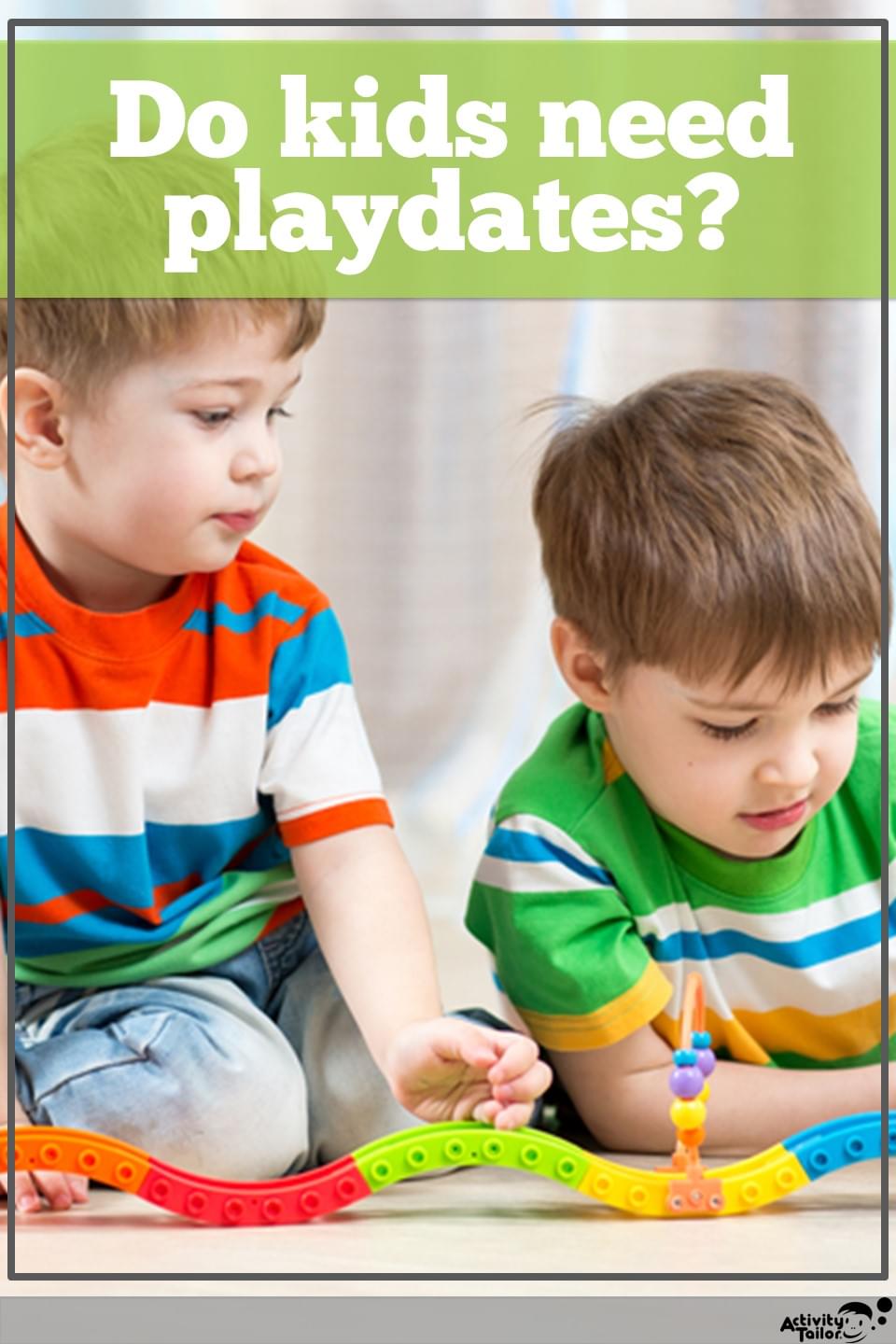
We’ve been “safe at home” for nearly two months now. The mandated time apart from friends, extended family, and social activities have been a gift to some and a nearly unbearable burden to others. Some of us will continue to shelter in place. Others are looking at loosening restrictions and wondering if it’s ok to venture out. But do our children really need playdates? For those with little ones at home, there are concerns about Covid19 exposure, but also whether the lack of peer interaction is having a detrimental impact on development. Let’s explore. People are social creatures. Numerous studies

Read More »

Differences in Boy’s and Girl’s Communication Skills

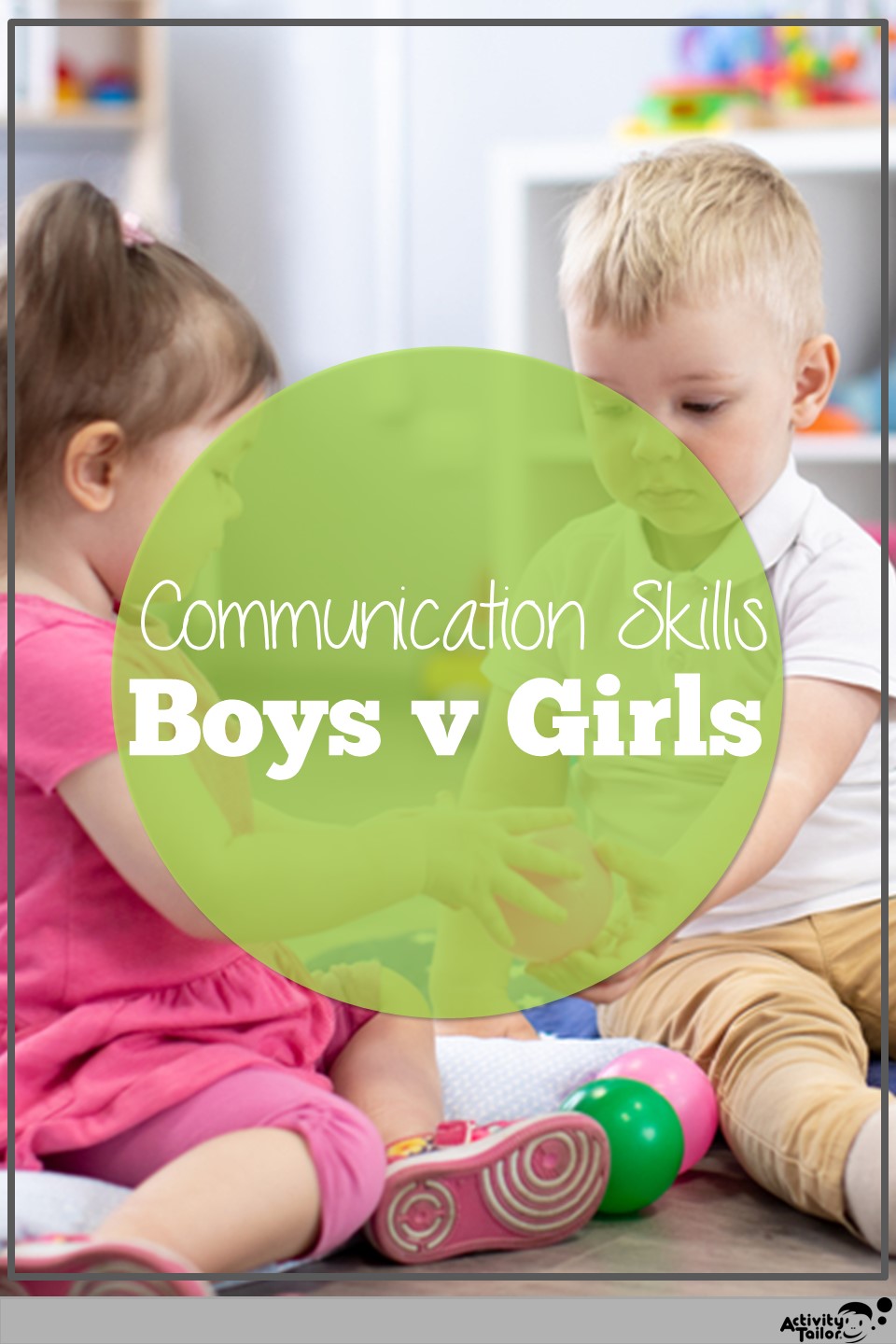
Have you noticed a big difference between boy’s and girl’s communication skills? Have you ever walked into a preschool classroom and had a little girl walk up to you and start chatting in a way that seems well beyond her years? Certainly, way beyond the skills of your own little one? This precocious behavior is both adorable and a bit disconcerting. Is it normal? Grandma would say, “girls develop faster.” They’re right when it comes to communication. The average age for a first word is 7-12 mos. and girls are more likely than boys to fall on the earlier side.

Read More »

Social Skills Projects You Can Do at Home

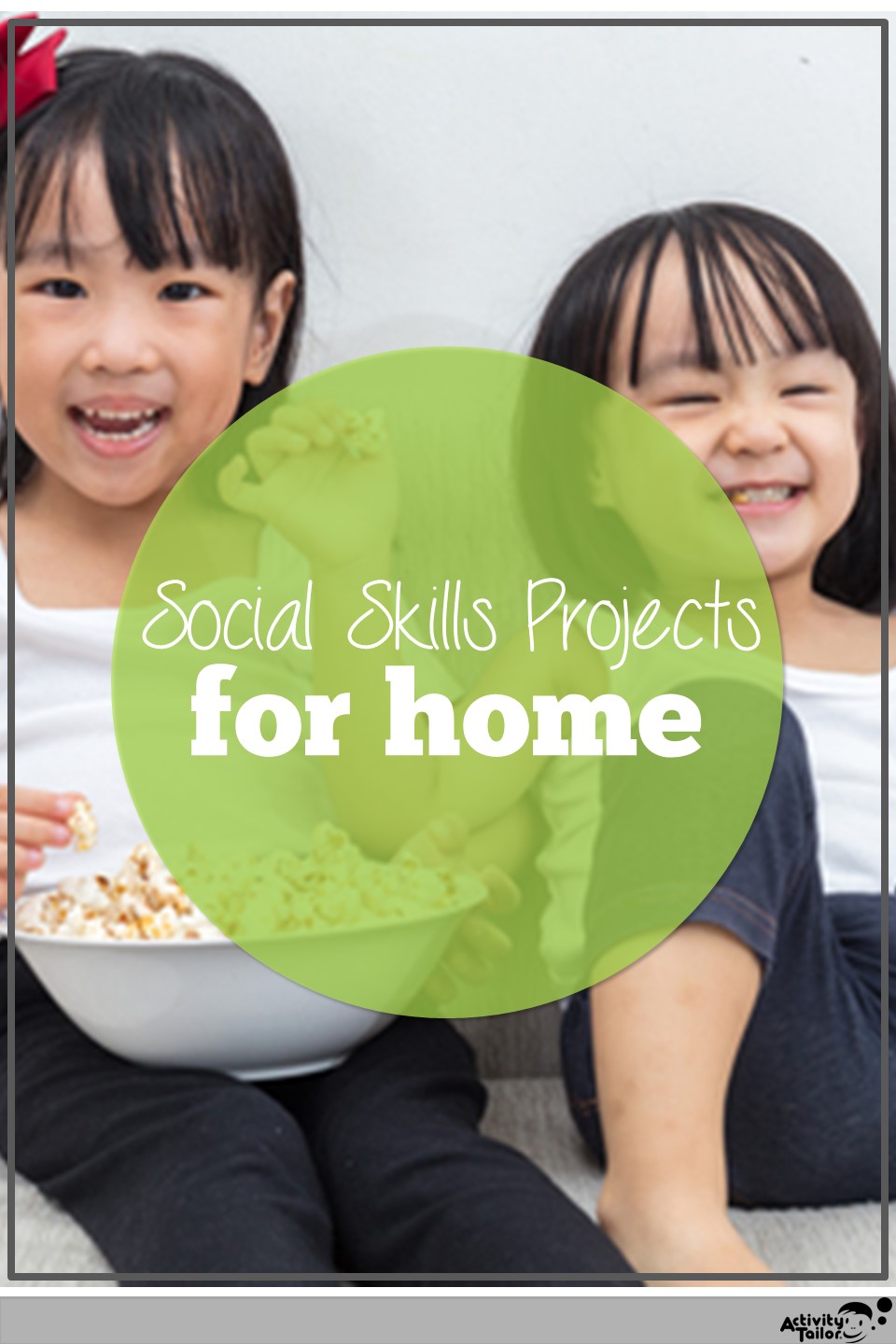
Don’t get me wrong, I love nearly everything within my field that comes my way, but my true sweet spot is early language skills and social skills for children of any age. When it comes to working on social skills, I do a lot of super targeted lessons and explicit learning, but I also include long(er)-term or group projects whenever I can. Not only does this give us lots of real world practice in negotiating social skills in real-time, but they also address executive function skills—an area that many children, especially those struggling with social skills need help with. Social

Read More »
mom imitating child

Why you should imitate your child

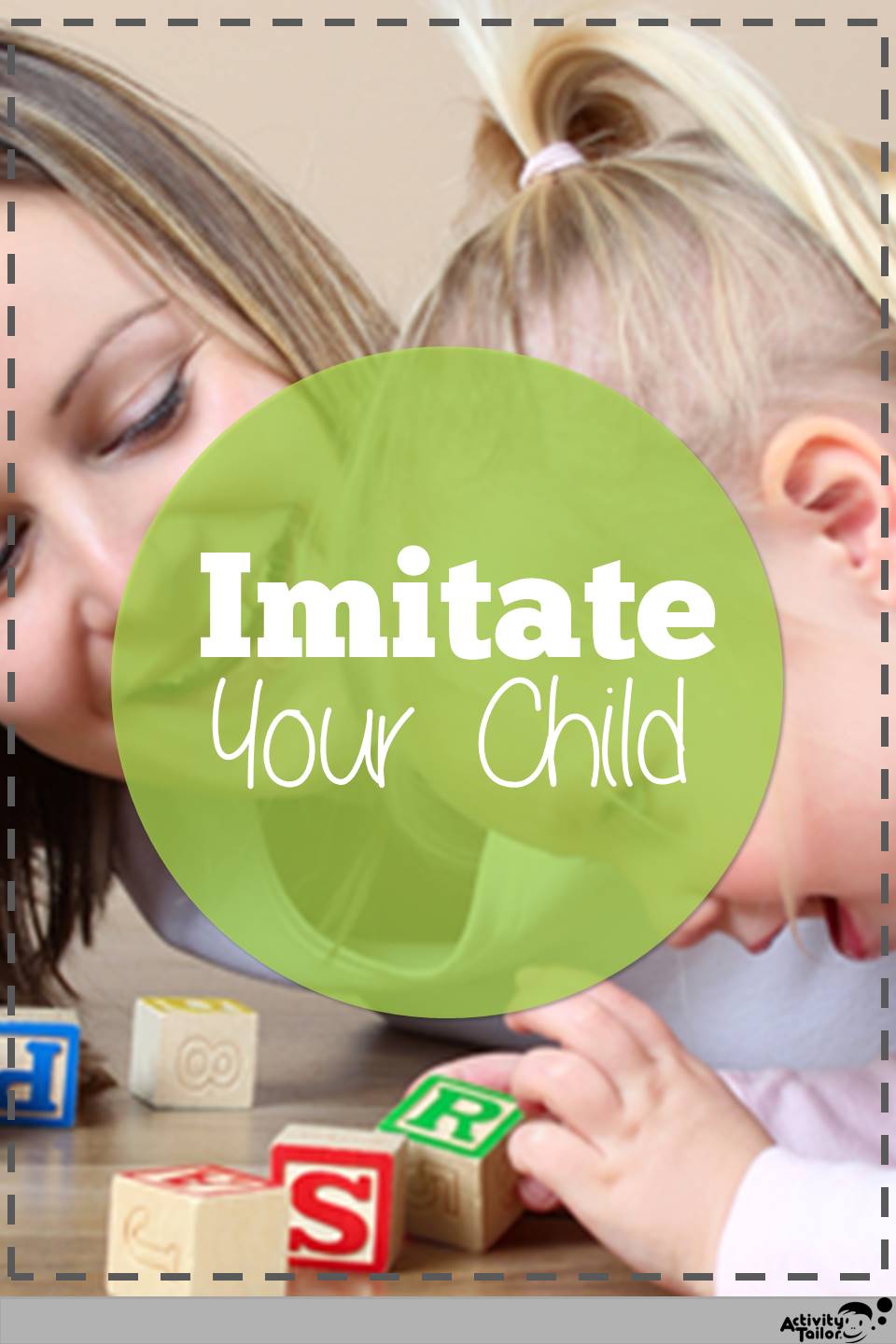
Should we imitate our child? Imitation is the sincerest form of flattery.  (Oscar Wilde) This is what we were told, but in everyday life it rankled. The sister that copied your fashion choices. The annoying kid that repeated what you said. The smothering friend who wanted to do everything you did. Yet there is tremendous power in being the leader. How often does your little one get to call the shots? Toddlers and preschoolers don’t usually get to give a lot of input in their day—and aside from strategic choices (more on this later), they need the structure we provide

Read More »

Is My Child a Late Talker?

What is a late talker? Like it sounds, a late talker is a child between 18 and 30 months who isn’t meeting expected speech and language milestones. They say fewer than 50 words and aren’t yet combining words, but seem to be on track in other areas of development. Often the parents will mention “he seems to understand what we say, he just doesn’t say anything.” About 15% of two-year olds fall into this category. It’s the type of concern that is often met with, “Don’t worry about it. My son didn’t speak until he was 3.” or “I’d wait

Read More »

Teaching Secret Keeping

This is the time of year I’m likely to suggest families work on secret-keeping. Does this sound a little inappropriate? Then think of it as keeping “surprises.” The idea behind secrets is pretty sophisticated and kids who struggle with perspective taking are going to have a particularly hard time (and need some specific instruction) in learning this skill. But it’s important! We keep secrets all the time. Sometimes it’s for really fun stuff like birthday presents, an unexpected note and surprise parties. Sometimes it’s for a harmless joke like putting a plastic spider in the fruit bowl. Sometimes it’s to

Read More »

Are You Interrogating or Modeling?

Fellow SLP, Are You Interrogating or Modeling? It’s a stereotype of movies and books, the mom who won’t stop interrogating their kids with questions. And it’s clear to anyone watching that the incessant interrogation is pushing the kids away whether they’re 10, 20 or 30 years old. And yet… SLPs do the same thing to the little ones in our therapy sessions.  Where? Who? What? Why? When? You feel the pressure of targeting all of the child’s goals and gathering sufficient data, so you inundate them with questions and never truly model the targeted skills. Say… Show me… Do… The

Read More »
two young children playing

Language and Stages of Play

What are the stages of play? We often say the goal of talking is that we want our children to be able to communicate their wants and needs to make their lives, and our lives, easier, but that just covers the basics! What we’re really moving towards is their ability to use language to communicate ideas and feelings and develop relationships with others. For children, this happens through play. “Play is often talked about as if it were a relief from serious learning, but for children, play is serious learning.” Fred Rogers There are many stages of play beginning in

Read More »

How to Raise Compassionate Kids

Empathy is the ability to take another person’s perspective and imagine how they feel even if we haven’t experienced the same circumstance. It’s a sophisticated skill that needs to be modeled and taught if we’re hoping to raise kind and compassionate kids. These suggestions are designed for children 4-10 years old and can be adapted to accommodate the whole family. Laying a foundation To start raising kind kids, we need to help our children develop a robust vocabulary of emotion words so they can label their own feelings as well as identify those of others. Here are a few words

Read More »

Dealing with Meddlesome Family Members

The holidays will look different this year which may make it easier to avoid meddlesome family members or a small group might make it more difficult to hide. In my practice, it wasn’t unusual to receive several phone calls around the holidays from frantic parents who’d been accosted by an extended family member with a negative comment. When you have a little one that’s behind in their development, it’s understandable you’d be anxious and more sensitive to the opinions of others. After all, we want to protect our children and see them thriving and happy. Why is Grandma butting in?

Read More »

The Case for Expanding Early Language

Hooray! Your child is beginning to communicate with 1-2 words! Now, how can we start expanding their early language attempts? As exciting as those first words and word combinations are, they have limitations. As parents, we make assumptions about the meaning of what our children are saying, often based on the situation. For example, moms know it’s more likely that “doggy eat” is a comment, but grammatically it sounds more like a command. By using the technique of expanding, we can demonstrate a more mature language structure. “Doggy eat.” “Yes, the doggy is eating.” Key characteristics of expanding are: the

Read More »
Skills Needed Before They Start Talking

Skills Needed Before They Start Talking

Babies and toddlers don’t just start talking one day. That first year is filled with critical learning of skills needed before they start talking. For “late talkers,” it’s very likely the delay is a result of a delay in one of these areas. Giving them support here will start them on the path towards developing their first words. Building a Foundation Each of these areas both builds on and overlaps with the other. For these skills to appear, we will assume the child is responsive to their environment and the people within it. Joint attention is when both individuals are

Read More »
boy in early intervention

Why is early intervention important?

We’ve heard family, friends, maybe even pediatricians, say that early intervention is important. But why? Is it that big of a deal to wait six months? When it comes to speech and language skills, waiting six months is not a life or death decision, but it can have a big impact on how big of a mountain you need to scale once you start. Let me explain. We talk a lot about milestones and we should because milestones are exciting! Those are what we add to FB feeds or text to family. It’s what we read in parenting books and

Read More »
Halloween books in speech

3 Halloween Books and How to Use Them to Build Language Skills

Halloween is one of my favorite seasons. Once the fall air hits, it means apple and pumpkin picking, pumpkin-flavored everything, leaves changing and getting ready for all things Halloween. As a speech pathologist and mom, I’m always looking for fun and creative ways to incorporate the holidays into my therapy sessions and with my kids. The more fun they are having, the less likely they are to get bored or realize that they are actually engaging in educational activities. Halloween books are one of my go-tos! These seasonal choices can be books about Halloween specifically or it can be about

Read More »

Learn to Build Children’s Attention Spans

Did you know you can start building attention span even in preschool?  The ability to attend is a critical foundational skill. If a child is unable to attend for a sustained period to a toy or activities, they’ll struggle to build their language or concept understanding. Down the line, lack of attention causes academic and behavior issues in the classroom. And if we are aware that they are behind in developing their attention span, how do we go about building it? 9 Tips for Building Improving Attention Spans Sleep and nutrition Both of these have a huge impact on sustaining

Read More »

Expectations for Preschool Attention Spans

There’s so much talk about “attention deficits” even in daycares and early childhood programs. When your preschool child flits from toy to toy, have you wondered if their attention span is something you need to worry about? How long should they be able to focus anyway? EXPECTATIONS FOR PRESCHOOL ATTENTION SPANS At a 12 months, a child will only attend for about a minute at a time. At 18 months, they will have worked up to 2-3 minutes. After that, a rough estimate is that a child will have an attention span that is 2-4 times their chronological age. 2

Read More »

What is the price of speech therapy?

One of the first questions families have when a recommendation for an evaluation is made is “what’s the price of speech therapy?” I get it. When you are juggling all the expenses of a young family the idea of adding on a weekly service is a big concern. Here’s how it works. Speech Evaluation vs. Therapy Services Receiving a referral for a speech and language evaluation means your child will be assessed to see their current speech and language level. Once the assessment is complete, then the speech-language pathologist will make recommendations. Your child’s skills might fall within the typical

Read More »