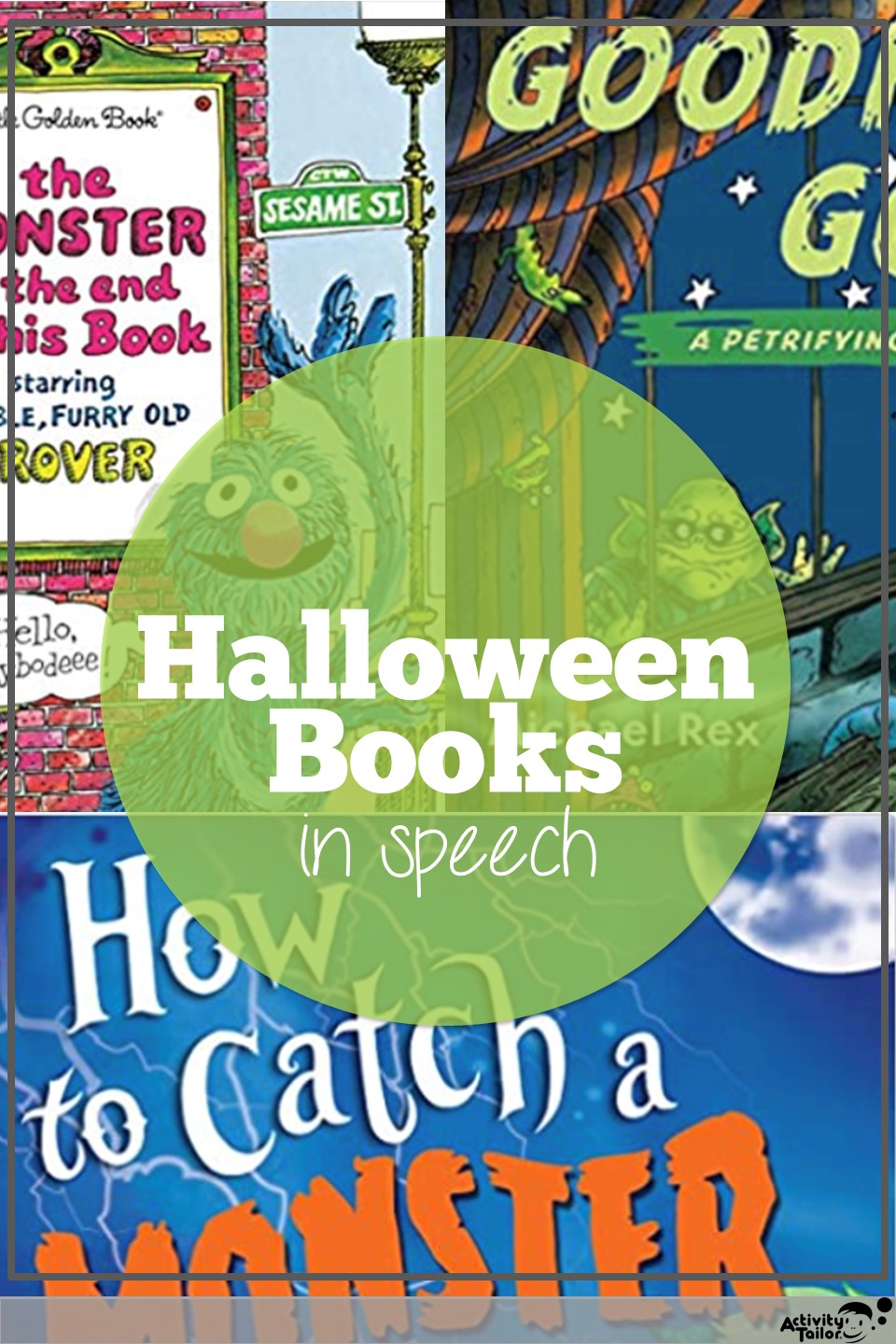
3 Halloween Books and How to Use Them to Build Language Skills
Halloween is one of my favorite seasons. Once the fall air hits, it means apple and pumpkin picking, pumpkin-flavored everything, leaves changing and getting ready

Halloween is one of my favorite seasons. Once the fall air hits, it means apple and pumpkin picking, pumpkin-flavored everything, leaves changing and getting ready
Did you know you can start building attention span even in preschool? The ability to attend is a critical foundational skill. If a child is
There’s so much talk about “attention deficits” even in daycares and early childhood programs. When your preschool child flits from toy to toy, have you
One of the first questions families have when a recommendation for an evaluation is made is “what’s the price of speech therapy?” I get it.
Bubbles and early language are a perfect match. It’s cheap and easy to carry. If you can overlook the periodic spill, it’s nearly perfect. Bubbles
It’s the procedures at school that often indicate early success—even more than the actual academic skills. Practicing and teaching classroom routines at home can go
Prepositions are little words with an important responsibility. These are what we use to indicate the location or position of things. They’re words like “in,”
We’ve been “safe at home” for nearly two months now. The mandated time apart from friends, extended family, and social activities have been a gift
Have you noticed a big difference between boy’s and girl’s communication skills? Have you ever walked into a preschool classroom and had a little girl
Don’t get me wrong, I love nearly everything within my field that comes my way, but my true sweet spot is early language skills and
Should we imitate our child? Imitation is the sincerest form of flattery. (Oscar Wilde) This is what we were told, but in everyday life it
What is a late talker? Like it sounds, a late talker is a child between 18 and 30 months who isn’t meeting expected speech and