

Impacts of COVID-19 on Communication: Key Factors for Parents & SLPs
The COVID-19 pandemic left a lasting impact on many parts of life, including children’s speech and language development. Since the lockdown in 2020, there has been a significant increase in children with speech and language delays. For both parents and SLPs, understanding the root causes of these issues and addressing the delays is vital to the success of these children. Let’s consider the impacts of COVID-19 on communication and what can be done to help families and their children! Silent Impact of COVID-19 on Communication Development While physical health concerns were at the forefront of COVID-19, the results were so

Exploring New Horizons: Alternative Careers for SLPs
Are you feeling like your career as an SLP is no longer for you? Does what once ignited you full of passion now seem like a dull flame or just embers? You’re not alone in these thoughts, and you aren’t out of options! Your skills, education, and experience set you up for success in other ways. It’s time to explore new horizons and consider viable alternative careers for SLPs! Reimagine Your Role Within Speech-Language Pathology Before diving head first into the many alternative careers for SLPs, stop to consider if a possible shift within the profession might rekindle your excitement.

A Helpful Guide for Preparing for the Holidays in Speech Therapy
The holiday season is upon us! With it comes a variety of opportunities and challenges in the world of speech-language therapy. The holidays are usually filled with excitement, changes in routines, and many new sensory experiences that can both motivate and overwhelm the children you work with. As an SLP, it’s important to navigate this time of year thoughtfully in order to best support your clients and their families. Consider these helpful tips for preparing for the holidays in speech therapy! Special Considerations While Preparing for the Holidays in Speech Therapy Before jumping straight into lesson planning for holiday speech

3 Powerful (& Simple!) Ways to Embrace Diversity in the Speech Room
For SLPs, being intentional to create an inclusive environment isn’t just about best practices— it’s vital! One of the most important things you can do for your students is to provide resources that reflect their own families and communities. This approach to therapy encourages greater self-esteem and stronger connections with caregivers. Check out these 3 easy ways to embrace diversity in your speech room this year! Why You Should Embrace Diversity Diversity includes race, religion, age, disabilities, and other important pieces of a person’s identity. Research consistently shows that representation matters and that’s no different when providing speech and language

5 Practical Tips for Managing Speech Therapy Groups with Confidence & Success
In the world of school-based speech therapy, managing speech therapy groups is often an area SLPs don’t feel prepared for. Handling multiple students at once can be challenging, but with the right strategies and mindset, it can also be highly effective and rewarding for everyone. Rest assured— managing speech therapy groups can be done with confidence and success! Common Challenges with Speech Therapy Groups Managing speech therapy groups comes with its unique set of challenges: To address these challenges, you will need well-thought-out strategies, patience, and a positive mindset. Managing Speech Therapy Groups with Success It’s important to choose strategies

4 Tips for School-Based SLPs: How to Have Tough Conversations with New Teachers
The beginning of the school year can be challenging for school-based SLPs— especially when working with teachers who are either new to your school or new to the field. Effective communication and collaboration with teachers are vital to providing the best care for students. Understanding common problem points in advance will help you be better prepared for your interactions with new teachers. Use these 4 tips to have tough conversations with new teachers and make this school year easier for everyone! Common Problem Points Expect to encounter at least one of these common challenges with new teachers. As you consider

3 Considerations to Increase Caregiver Involvement in Speech Therapy
As a pediatric SLP, you understand the importance of caregiver and parent involvement in speech therapy— but caregivers often do not! Building effective partnerships with caregivers is crucial for the success of your therapy sessions and the overall progress of your clients. Caregivers don’t usually anticipate this expectation for collaboration so it’s up to you to be clear from the start. Increase caregiver involvement in your speech therapy sessions in 3 easy steps! Importance of Caregiver & Parent Involvement in Speech Therapy Caregivers need to know from the start that speech therapy is a collaboration. Many caregivers are often misinformed
Everything You Need to Know to Begin Treating Phonological Processing Disorders
Treating phonological processing disorders is a key piece of what you do as a pediatric SLP. It’s important to understand how phonological processing disorders differ from other speech sound disorders, how to get caregivers on board, and how to choose the best treatment approaches to help your clients. You CAN help children develop more intelligible speech and set them up on a path for successful communication all of their lives! Understanding Phonological Processing Disorders Before you begin to educate caregivers about phonological processing disorders (PPDs), it’s important to ensure you have a solid understanding of this type of speech sound

3 Ways to Handle Caregivers Who Don’t Follow Through with Speech Therapy Suggestions
As an SLP, you understand the frustration with caregivers who don’t follow through with speech therapy suggestions after they’ve asked. You KNOW progress would be so much faster if carryover was happening at home! This can be especially challenging, but it’s important to consider why this breakdown is happening and consider what you can do to help. Why Aren’t Home Activities Happening? There are a few different reasons why caregivers may not be following through with the home activities you suggest after therapy sessions: Because each of these reasons is different, your approach to helping families work through them will

Creating Systems: 3 Ways to Make Life Easier as an SLP
As a pediatric SLP, your days are filled with countless responsibilities from providing therapy to completing paperwork to educating caregivers. It’s so easy to become overwhelmed, but take heart! There is a way to make your life easier as you start the upcoming school year– creating systems. By focusing on your biggest challenges, you can create systems and routines that save time during busy days, reduce stress, and prevent burnout. You’re worth this investment! Identify Your Biggest Struggles Before Creating Systems According to James Clear’s book Atomic Habits, success is not achieved by relying on willpower or pure discipline. Success
3 Quality Tips about Stalled Speech Progress: Difficult Conversations with Caregivers
As a pediatric SLP, your dedication to helping children make progress with their speech and language goals is unwavering. However, there are times when that progress stalls. As you approach the end of the year with spring on the horizon, it’s necessary to have difficult conversations with caregivers when their child isn’t making the expected progress with speech and language goals. Read on for 3 high-quality tips to make the most of these conversations about stalled speech progress. 3 Important Tips for Conversations about Stalled Speech Progress Make Necessary Referrals Accept Limitations Discuss the Importance of Home Practice Make Necessary
Exploring 6 Alternative Causes for Language Regressions Beyond Autism for Pediatric SLPs
While Autism Spectrum Disorder (or ASD) is commonly associated with language regressions in young clients, it’s critical for you as an SLP to consider other causes for these setbacks. To provide the best, most effective services to your clients and their caregivers, you’ll likely have to broaden your perspectives! Think about these 6 alternative causes for language regressions when ASD isn’t a piece of the puzzle for your client. Language Regressions Before we dive into other considerations, let’s think solely about language regressions. A language regression is defined as any decline in a child’s communication abilities. Commonly reported language regressions
6 EASY Ways to Make Speech Homework a Habit in the New Year
As a pediatric SLP, you understand the importance of caregivers following through with speech therapy homework with their children. The new year is a great chance to encourage the families you serve to recommit to this crucial practice! Ensure that your clients continue to make progress and reach their goals by using these 6 easy strategies to help caregivers make speech homework a habit this year! Support Caregivers as They Make Speech Homework a Habit 1. Reinforce the Importance of Consistency The beginning of the year is the perfect time to remind parents that progress in speech therapy goes far

Addressing the Parent Question: How Long Will Speech Therapy Take?
As a pediatric SLP, you know one of the most frequently asked questions you receive from families is “How long will speech therapy take?”. This is a normal concern, especially for caregivers who are paying out of pocket for their child’s speech services. Keep reading to learn what exactly you can say to caregivers when they ask this question! Talking to Caregivers about Treatment Length Discussing treatment length is as simple as 1-2-3-4! 1. Educate and Set Appropriate Expectations First, it’s important to educate families. Be sure that caregivers understand their child’s unique speech and language needs. Discuss their child’s

4 Ways to Start Fresh in the New Year for Success as an SLP
As the New Year begins, you’ll likely find yourself reflecting on your past year as an SLP. This is the perfect time to take inventory of what’s working and what isn’t, make changes, and plan ahead for a great summer break. Choosing a fresh start in the new year will help you establish a healthier work-life balance and find success as an SLP to carry you through the entire year! 4 Ways to Find Success as an SLP in the New Year 1. Take Inventory: What’s Working and What Isn’t The New Year is a fantastic time to evaluate what

TOP 3 Tips SLPs Need to Know for Writing Progress Notes
As you know, progress notes play a huge role in your work as an SLP. They are important for documenting a client’s progression with speech goals but also powerful tools for fostering positive communication with caregivers and generating more client referrals. You’re just 3 tips away from writing progress notes that provide this fabulous double duty! 3 Tips You Need for Writing Great Progress Notes Writing great progress notes is really easier than you think! 1. Embrace a Strength-Based Approach The first thing you need to do when writing progress notes is to adopt a strength-based perspective. During the evaluation
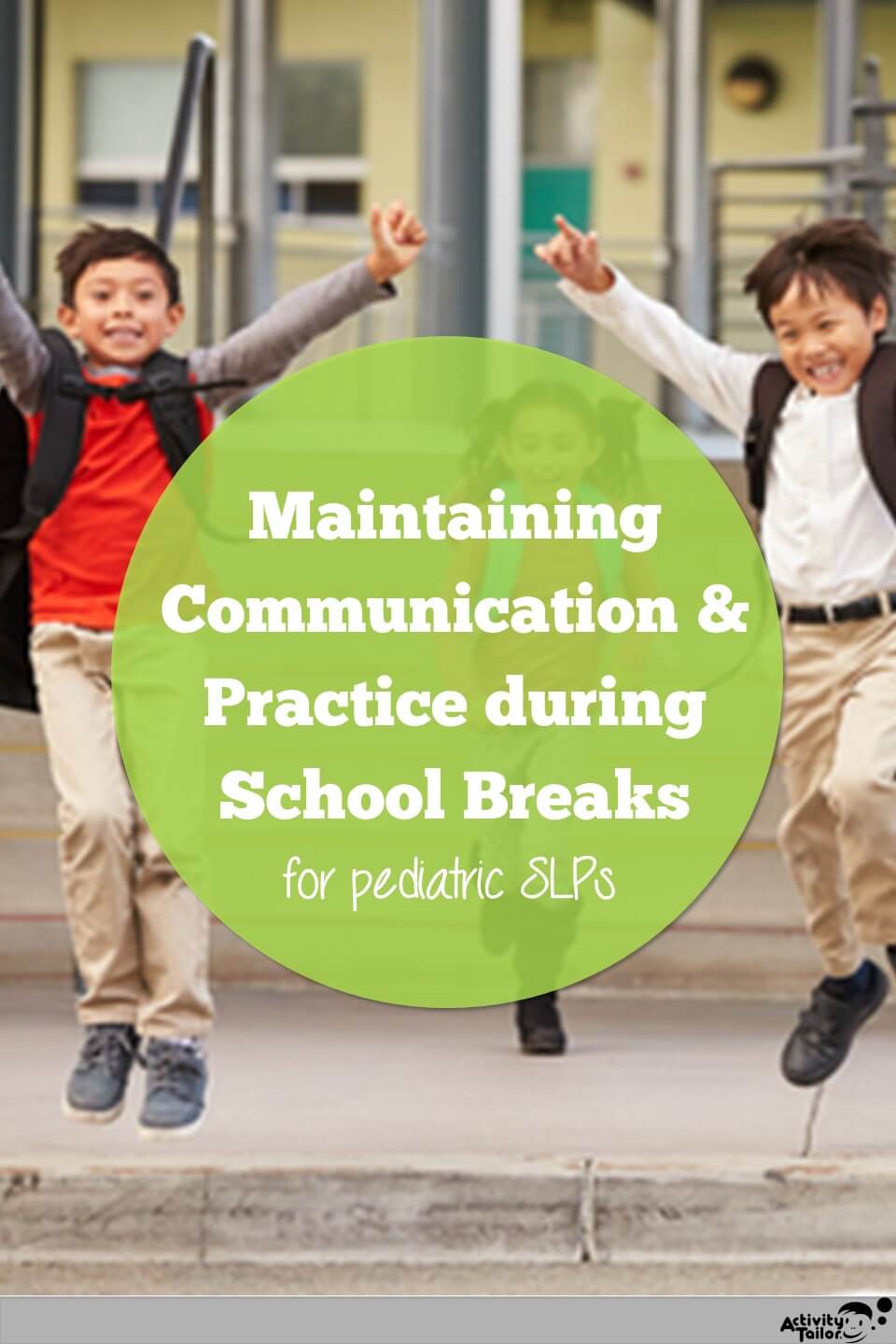
5 EFFECTIVE Ways for SLPs to Promote Practice During School Breaks
School breaks can be such an exciting and much-needed time to recharge for families, but they can also come with unique challenges for families with children with special needs. As an SLP in the schools or in private practice, the support you offer to families during this time can be helpful in more ways than you realize. Read on for 5 effective ways to maintain communication & promote practice during school breaks, regardless of the setting you work in: Why It’s Important to Maintain Communication During School Breaks The connection between dedicated SLPs and clients’ caregivers is crucial to the

6 Ways an SLP Can Support Caregivers of Special Needs Children During the Holidays
Raising a child with special needs can be both rewarding and challenging. These caregivers are often faced with emotional, financial, and social stressors that can lead to higher risks of depression and anxiety, especially when not having a positive support system. These stresses seem to rise during the holidays too! As speech-language pathologists (SLPs), understanding and addressing these caregiver needs is an essential piece to providing care for their children. Read on for 6 tangible ways you can support caregivers of special needs children during the holidays this year: General Stressors for Caregivers of Special Needs Children Caregivers of children

An Introduction to Stuttering Assessments and Therapy for SLPs
Stuttering assessments and therapy can feel daunting, especially early on in your career as an SLP. They don’t have to be though! Continue reading for essential knowledge and hands-on resources to become more confident in treating the children with stuttering on your caseload. What You Need to Know to Get Started with Stuttering Assessments and Therapy Stuttering Assessment A fluency evaluation is similar but also so different from other evaluations you will perform with children as an SLP. Informal Evaluation As with other types of evaluations, obtaining a thorough case history and making detailed observations are crucial pieces to assessing

How to Effectively Teach Pronouns in Speech Therapy
If you work with preschool and early elementary aged children in speech therapy, you are going to be working on correct pronoun usage. Although autistic children often struggle with pronouns, it’s also a common error for many language delayed children. Most children who struggle with pronouns struggle with the part of speech or grammar. It’s not usually a matter of not understanding or recognizing different genders. The most prevalent error is overgeneralization of “he.” Continue reading for hands-on ways to teach pronouns in speech therapy! How Pronouns Develop “Mine” is usually the first pronoun to appear in a child’s vocabulary