The COVID-19 pandemic left a lasting impact on many parts of life, including children’s speech and language development. Since the lockdown in 2020, there has been a significant increase in children with speech and language delays. For both parents and SLPs, understanding the root causes of these issues and addressing the delays is vital to the success of these children. Let’s consider the impacts of COVID-19 on communication and what can be done to help families and their children!
Silent Impact of COVID-19 on Communication Development
While physical health concerns were at the forefront of COVID-19, the results were so much deeper. According to information from the American Speech-Language-Hearing Association, 69% of SLPs surveyed in 2023 reported an increase in speech-language referrals since 2020.
The isolation and restriction required by the pandemic had many implications for the current rise of speech and language delays in children.
Limited social interactions and sudden life changes were the reality facing most families and children.
Realties of the Pandemic
Understanding the impacts COVID-19 had on children is important for parents and SLPs in order to make appropriate plans and take action steps toward growth!
*None of this is said to cause feelings of shame or guilt but only to be aware of the depth of the issue at hand:
Fewer Social Interactions
The pandemic put a pause on the daily experiences that are a necessary part of communication development. Children had fewer opportunities for social interaction due to closed daycares or schools, fewer playdates, and less interaction with extended family members.
Limited New Experiences
These fewer social interactions then resulted in fewer new experiences for children. Due to limitations on what they could do, there was less to talk about when they were with others.

New experiences often provide natural opportunities for children to learn and use new vocabulary and practice important communication skills, and these opportunities were drastically decreased during the COVID-19 pandemic.
Face Mask Requirements
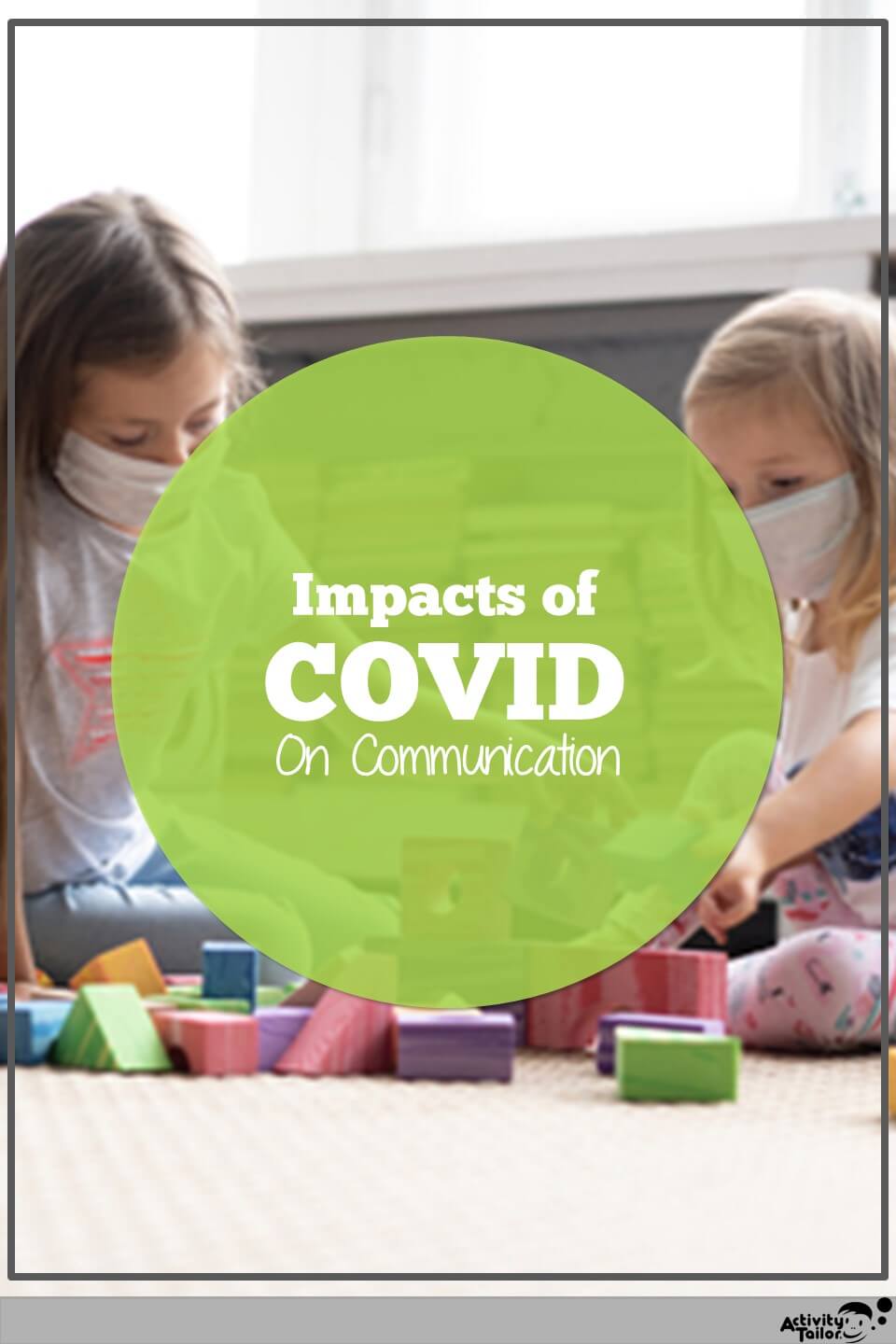
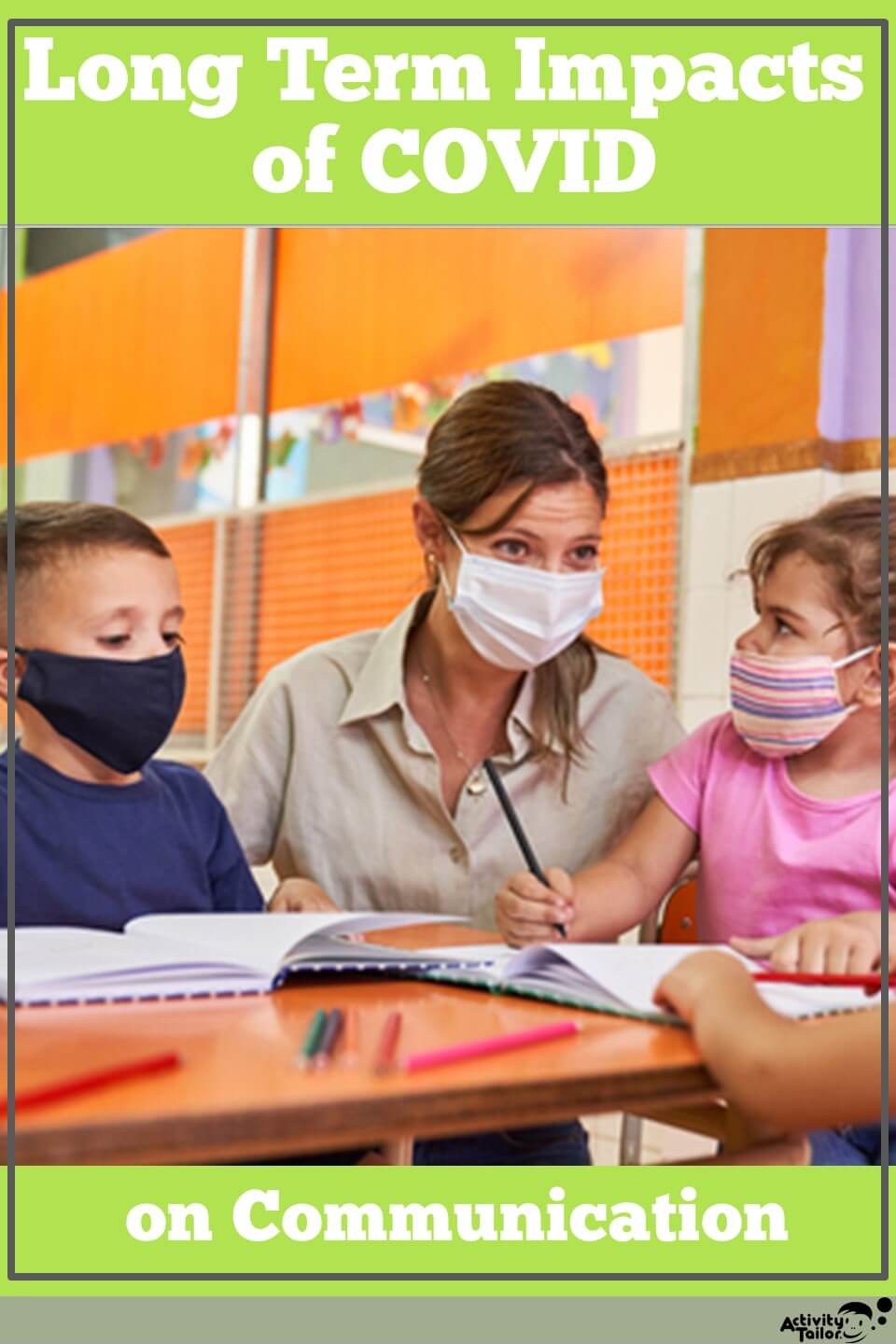
For babies and younger children, face mask requirements may have had an impact on speech and language development too. At these ages, a great deal of learning is acquired through imitation. With babies and small children’s inability to see facial expressions or observe the specific visual articulation of speech, it makes sense that gaining important skills was difficult for them if they were in an environment that required masking.
Overwhelmed Families
Many families were also stretched beyond their limits during this time. Almost overnight, they had to find ways to work from home while simultaneously providing full-time care for their younger children and assisting older children with virtual school— all without additional support.
Important communication milestones (as well as others!) were likely overlooked at this time due to the inability of parents to handle everything they were tasked with at once.
Fewer Well-Visits
During the pandemic, many parents missed or delayed their children’s well-visits due to fear of exposure to sickness or inability to maintain day-to-day responsibilities.
Regular check-ups with pediatricians are many families’ main source of education regarding essential developmental skills and allow trained professionals to monitor progress in these areas. For some families, this resulted in a lack of awareness about delays in their children’s communication.
Increased Screen Time
Likely due to their parents feeling overwhelmed with many responsibilities and little to no support, there was a sharp increase in children’s use of screen time during the pandemic, and many of these habits continued afterward.
While some digital content can be educational, excessive use of screens can negatively interfere with face-to-face interactions and the development of vital play and communication skills.
Service Disruptions
And finally, many children who were already identified as having speech and language delays experienced interruptions in therapy services during COVID. The cause of these interruptions may have been due to a lack of access to virtual therapy or parents’ inability to maintain the therapy schedule on top of other responsibilities, and they often resulted in regressions of important skills.

Next Steps
Now that we have moved past the COVID-19 pandemic, it’s time for parents and SLPs to make changes that will carry lasting impacts on children’s futures!
For Parents
Remember, give yourself grace. There’s no need to feel sorry for yourself or your child— COVID-19 was an unprecedented time.

Start educating yourself on topics that will benefit your child’s current communication weaknesses. Consider participating in webinars specifically designed for parents about these topics:
- How to teach talking
- How to engage your child using books
- Pre-Talking skills
- Building attention spans
Beyond this, begin engaging in your child’s daily activities more. Use everyday routines to foster speech and language skills. Read to your child, narrate daily events, take your child to community events with you, and ask open-ended questions.
For SLPs
The increase in children with speech and language delays has resulted in a greater demand for speech services for children of all ages.
As an SLP, you should be prepared for:
- Increased referrals
- More educational delays
- Need for caregiver education
Increased Referrals
In order to combat the greater referrals coming your way, prioritize leading professional development for teachers to help them better understand how to support students with communication delays in their classrooms.

This can be done during grade-level planning periods, at staff meetings, or during a school in-service day. Review speech and language development with teachers and offer basic strategies they can begin using while they wait for students to be seen by you.
Education Delays
Many children who had their school year disrupted are still struggling in areas such as:
- Phonemic awareness
- Reading skills
- Articulation
- Conversation skills
- Understanding complex language
Delays in each of these areas can result in poor academic performance, decreased social engagement, fewer job opportunities later in life, and mental or behavioral health issues if not addressed.
Remember to collaborate with other professionals in your community to provide the best, high-quality services for students. School counselors, teachers, and reading specialists have valuable knowledge to share too!
Caregiver Education
Offer support by communicating regularly with caregivers and sharing educational resources with them. Use done-for-you handouts to keep things easy on yourself and to help caregivers better understand and engage in their child’s speech and language development.

This bundle of parent handouts for speech addresses the following topics in easy-to-understand terms and promotes follow-through:
- Autism & Sensory Integration
- Early Language Skills
- Later Language Skills
- Speech Sound Disorders
- BONUS handout: What is an SLP?
Finally, promote early intervention! Early intervention continues to be the most effective way to address speech and language delays in the youngest, most vulnerable population. If parents express concerns, encourage them to seek support sooner rather than later. There’s no time for the “Wait and See” approach with children who are already behind from the pandemic.
The impacts of COVID-19 on communication development are profound, but with the right interventions and collaboration between caregivers and SLPs, these challenges can be overcome! Remember, you are exactly who your child needs to succeed!
You may also be interested in reading:
Why is early intervention important?
Skills Needed Before They Start Talking
Do Children Need Playdates?