

5 Great Tips for Creating a Speech Therapy Room Setup that Works
It’s never too early to think about next year’s speech therapy room setup— especially if you know your space is changing! Whether you are downsizing to a shared nook, moving into a new room, or finally getting a space of your own, your environment plays a huge role in how smoothly your day (and every therapy session) runs. With just a little planning, your space can transform into a place where students are calmer and you feel more “you”, no matter how large or small it is. It doesn’t have to be fancy or Pinterest-perfect to be a functional and

6 Easy & Fun Ways to Get Kids Moving: Using Movement in the Speech Room
As you wind down the school year, you probably notice your students getting extra wiggly! Or maybe you’re working with a few extra energetic kids over summer break, and the idea of sitting still at a table just isn’t cutting it. Either way, incorporating movement in the speech room can be a real game-changer! Not only does movement boost engagement, but it also taps into kinesthetic learning, helps regulate energy, and makes therapy feel more like play than work. Whether you choose to be indoors, outdoors, or somewhere in between, adding a little movement to your sessions can make a

4 Easy Steps for Packing Up Your Speech Room Before Summer
The end of the school year is coming to a close, and while it’s tempting to sprint out the door as soon as the final bell rings, taking some time to pack up your speech room will make your life so much easier when it’s time to start back this fall. Check out how to pack up your speech room in 4 easy steps to finish the year strong and set yourself up for a smooth start next year! Why Spend Time Organizing? Simply put, your future self will thank you! There’s nothing worse than returning to your classroom in

5 Reasons NOT to Use Themes in Speech Therapy— and Why That’s Okay!
As a pediatric SLP, you’re likely always looking for exciting ways to engage your clients and help them meet their goals. While themed therapy activities can be a fun and creative option, they aren’t always the best fit. Don’t worry— this doesn’t mean you are doing something bad! Instead, it’s about understanding when themes might serve your clients or yourself and finding the freedom to be more individualized and child-led. Consider these five reasons NOT to use themes in speech therapy and why this can be a positive change! Reasons NOT to Use Themes in Speech Therapy As an Amazon
6 Advantages to Using Themes in Speech Therapy (& a FREE Year-Long List!)
As a pediatric SLP, you know it can feel like a constant battle to keep therapy sessions engaging, effective, and organized. Planning sessions when you have students of different ages and with different goals and interests can feel overwhelming, too. Using themes in speech therapy is one of the most versatile tools you can use! Whether you’re working with preschoolers or elementary school students, themes help streamline planning, keep kids motivated, and make learning meaningful. Keep reading for more information about using themes in speech therapy and a done-for-you list of themes ready to use all year long! Using Themes

5 Great Summer Options for School SLPs: Start Planning Now!
As the spring months settle in, it’s the perfect time to start thinking ahead to summer. As a school-based SLP, you should make the most of your well-deserved summer break. Whether you’re considering a fabulous vacation, seeing clients privately, or a more creative summer venture, the earlier you decide, the better chance you have at success! Let’s check out 5 great summer options for school SLPs and learn how to best prepare for them now. Why Plan Now? It might feel too early to plan for summer, but making decisions now gives you time to research, prepare, and secure the

SLPs and Childhood Mental Health: 5 Powerful Ways to be Involved
It is becoming more well-known that mental health needs are on the rise in children, but when you think about your role as an SLP, you may wonder what you can really do about it. For many children, their ability to communicate and interact with the world around them is deeply intertwined with their emotional well-being. Don’t overlook the unique position you are in. SLPs and childhood mental health— it’s more important than ever to be involved! Mental Health in Children Today Anxiety, depression, and behavioral challenges have been on the rise in children over the last decade. According to

4 Steps to Stay in Love with Your SLP Job
Working as an SLP is a calling that can feel both extremely rewarding and, at times, overwhelming. You’re making a huge difference in children’s lives as you support their growth and development and build important communication skills. But let’s be honest— between packed caseloads, scheduling woes, piles of paperwork, and getting caregivers on board, it can definitely feel like too much some days. The good news?… You’re in control of so much more than you realize! By focusing on a few key areas, you can rediscover how to stay in love with your SLP job! 1. Focus on the Big

5 of the Most Common Speech Sound Goals & How to Treat Them
Supporting young students in speech therapy is a rewarding process— but sometimes difficult as well. As an elementary SLP, you’re already familiar with the unique challenges that students face in mastering speech sound disorders. Intelligible speech is important for academic success, relationships with peers, and so much more. Let’s explore five of the most common speech sound goals, how to differentiate instruction for individual needs, and interactive resources you can use to help students reach these goals. What to Know about Speech Sound Disorders Before beginning therapy sessions with your students, it’s essential to have a clear understanding of both

An SLP’s Guide to Treating 5 of the Most Common Language Goals
If you feel like you’re in a Groundhog Day loop, there’s a good reason for it! Many of your students likely come to you with the same language goals, even if they need slightly different approaches. Language delays are found in children with a variety of needs and diagnoses, and it’s likely that you will need to address foundational skills for many students. Let’s dive into some of the most common language goals and identify engaging and effective ways to approach them! What You Need to Know About Language Delays Language delays are often associated with a variety of childhood
3 Quality Tips about Stalled Speech Progress: Difficult Conversations with Caregivers
As a pediatric SLP, your dedication to helping children make progress with their speech and language goals is unwavering. However, there are times when that progress stalls. As you approach the end of the year with spring on the horizon, it’s necessary to have difficult conversations with caregivers when their child isn’t making the expected progress with speech and language goals. Read on for 3 high-quality tips to make the most of these conversations about stalled speech progress. 3 Important Tips for Conversations about Stalled Speech Progress Make Necessary Referrals Accept Limitations Discuss the Importance of Home Practice Make Necessary
Exploring 6 Alternative Causes for Language Regressions Beyond Autism for Pediatric SLPs
While Autism Spectrum Disorder (or ASD) is commonly associated with language regressions in young clients, it’s critical for you as an SLP to consider other causes for these setbacks. To provide the best, most effective services to your clients and their caregivers, you’ll likely have to broaden your perspectives! Think about these 6 alternative causes for language regressions when ASD isn’t a piece of the puzzle for your client. Language Regressions Before we dive into other considerations, let’s think solely about language regressions. A language regression is defined as any decline in a child’s communication abilities. Commonly reported language regressions
6 EASY Ways to Make Speech Homework a Habit in the New Year
As a pediatric SLP, you understand the importance of caregivers following through with speech therapy homework with their children. The new year is a great chance to encourage the families you serve to recommit to this crucial practice! Ensure that your clients continue to make progress and reach their goals by using these 6 easy strategies to help caregivers make speech homework a habit this year! Support Caregivers as They Make Speech Homework a Habit 1. Reinforce the Importance of Consistency The beginning of the year is the perfect time to remind parents that progress in speech therapy goes far

Addressing the Parent Question: How Long Will Speech Therapy Take?
As a pediatric SLP, you know one of the most frequently asked questions you receive from families is “How long will speech therapy take?”. This is a normal concern, especially for caregivers who are paying out of pocket for their child’s speech services. Keep reading to learn what exactly you can say to caregivers when they ask this question! Talking to Caregivers about Treatment Length Discussing treatment length is as simple as 1-2-3-4! 1. Educate and Set Appropriate Expectations First, it’s important to educate families. Be sure that caregivers understand their child’s unique speech and language needs. Discuss their child’s

4 Ways to Start Fresh in the New Year for Success as an SLP
As the New Year begins, you’ll likely find yourself reflecting on your past year as an SLP. This is the perfect time to take inventory of what’s working and what isn’t, make changes, and plan ahead for a great summer break. Choosing a fresh start in the new year will help you establish a healthier work-life balance and find success as an SLP to carry you through the entire year! 4 Ways to Find Success as an SLP in the New Year 1. Take Inventory: What’s Working and What Isn’t The New Year is a fantastic time to evaluate what

TOP 3 Tips SLPs Need to Know for Writing Progress Notes
As you know, progress notes play a huge role in your work as an SLP. They are important for documenting a client’s progression with speech goals but also powerful tools for fostering positive communication with caregivers and generating more client referrals. You’re just 3 tips away from writing progress notes that provide this fabulous double duty! 3 Tips You Need for Writing Great Progress Notes Writing great progress notes is really easier than you think! 1. Embrace a Strength-Based Approach The first thing you need to do when writing progress notes is to adopt a strength-based perspective. During the evaluation
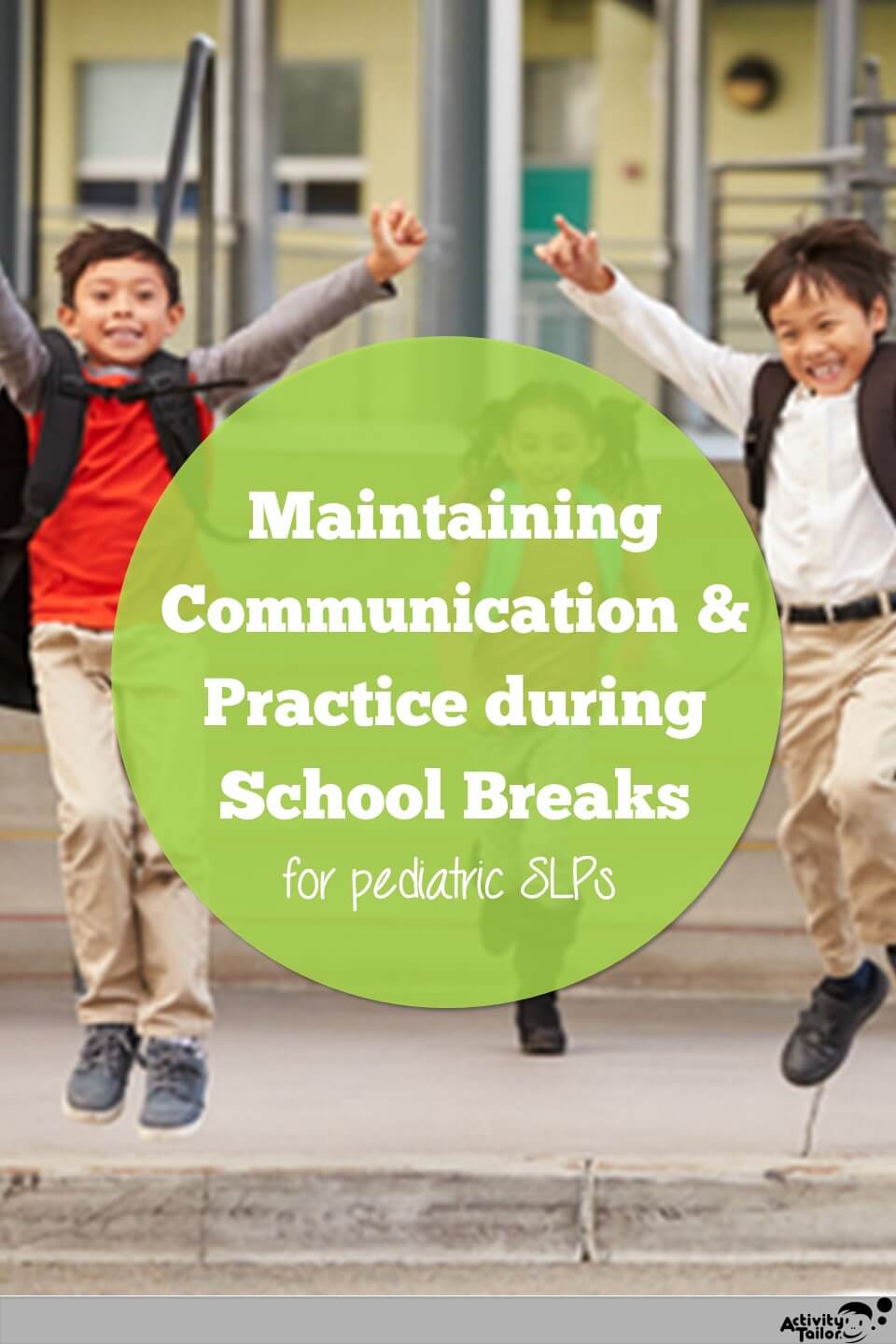
5 EFFECTIVE Ways for SLPs to Promote Practice During School Breaks
School breaks can be such an exciting and much-needed time to recharge for families, but they can also come with unique challenges for families with children with special needs. As an SLP in the schools or in private practice, the support you offer to families during this time can be helpful in more ways than you realize. Read on for 5 effective ways to maintain communication & promote practice during school breaks, regardless of the setting you work in: Why It’s Important to Maintain Communication During School Breaks The connection between dedicated SLPs and clients’ caregivers is crucial to the

6 Ways an SLP Can Support Caregivers of Special Needs Children During the Holidays
Raising a child with special needs can be both rewarding and challenging. These caregivers are often faced with emotional, financial, and social stressors that can lead to higher risks of depression and anxiety, especially when not having a positive support system. These stresses seem to rise during the holidays too! As speech-language pathologists (SLPs), understanding and addressing these caregiver needs is an essential piece to providing care for their children. Read on for 6 tangible ways you can support caregivers of special needs children during the holidays this year: General Stressors for Caregivers of Special Needs Children Caregivers of children

An Introduction to Stuttering Assessments and Therapy for SLPs
Stuttering assessments and therapy can feel daunting, especially early on in your career as an SLP. They don’t have to be though! Continue reading for essential knowledge and hands-on resources to become more confident in treating the children with stuttering on your caseload. What You Need to Know to Get Started with Stuttering Assessments and Therapy Stuttering Assessment A fluency evaluation is similar but also so different from other evaluations you will perform with children as an SLP. Informal Evaluation As with other types of evaluations, obtaining a thorough case history and making detailed observations are crucial pieces to assessing

How to Effectively Teach Pronouns in Speech Therapy
If you work with preschool and early elementary aged children in speech therapy, you are going to be working on correct pronoun usage. Although autistic children often struggle with pronouns, it’s also a common error for many language delayed children. Most children who struggle with pronouns struggle with the part of speech or grammar. It’s not usually a matter of not understanding or recognizing different genders. The most prevalent error is overgeneralization of “he.” Continue reading for hands-on ways to teach pronouns in speech therapy! How Pronouns Develop “Mine” is usually the first pronoun to appear in a child’s vocabulary