

5 Great Tips for Creating a Speech Therapy Room Setup that Works
It’s never too early to think about next year’s speech therapy room setup— especially if you know your space is changing! Whether you are downsizing to a shared nook, moving into a new room, or finally getting a space of your own, your environment plays a huge role in how smoothly your day (and every therapy session) runs. With just a little planning, your space can transform into a place where students are calmer and you feel more “you”, no matter how large or small it is. It doesn’t have to be fancy or Pinterest-perfect to be a functional and

6 Easy & Fun Ways to Get Kids Moving: Using Movement in the Speech Room
As you wind down the school year, you probably notice your students getting extra wiggly! Or maybe you’re working with a few extra energetic kids over summer break, and the idea of sitting still at a table just isn’t cutting it. Either way, incorporating movement in the speech room can be a real game-changer! Not only does movement boost engagement, but it also taps into kinesthetic learning, helps regulate energy, and makes therapy feel more like play than work. Whether you choose to be indoors, outdoors, or somewhere in between, adding a little movement to your sessions can make a
4 Easy Steps for Packing Up Your Speech Room Before Summer
The end of the school year is coming to a close, and while it’s tempting to sprint out the door as soon as the final bell rings, taking some time to pack up your speech room will make your life so much easier when it’s time to start back this fall. Check out how to pack up your speech room in 4 easy steps to finish the year strong and set yourself up for a smooth start next year! Why Spend Time Organizing? Simply put, your future self will thank you! There’s nothing worse than returning to your classroom in
5 Reasons NOT to Use Themes in Speech Therapy— and Why That’s Okay!
As a pediatric SLP, you’re likely always looking for exciting ways to engage your clients and help them meet their goals. While themed therapy activities can be a fun and creative option, they aren’t always the best fit. Don’t worry— this doesn’t mean you are doing something bad! Instead, it’s about understanding when themes might serve your clients or yourself and finding the freedom to be more individualized and child-led. Consider these five reasons NOT to use themes in speech therapy and why this can be a positive change! Reasons NOT to Use Themes in Speech Therapy As an Amazon
6 Advantages to Using Themes in Speech Therapy (& a FREE Year-Long List!)
As a pediatric SLP, you know it can feel like a constant battle to keep therapy sessions engaging, effective, and organized. Planning sessions when you have students of different ages and with different goals and interests can feel overwhelming, too. Using themes in speech therapy is one of the most versatile tools you can use! Whether you’re working with preschoolers or elementary school students, themes help streamline planning, keep kids motivated, and make learning meaningful. Keep reading for more information about using themes in speech therapy and a done-for-you list of themes ready to use all year long! Using Themes

5 Great Summer Options for School SLPs: Start Planning Now!
As the spring months settle in, it’s the perfect time to start thinking ahead to summer. As a school-based SLP, you should make the most of your well-deserved summer break. Whether you’re considering a fabulous vacation, seeing clients privately, or a more creative summer venture, the earlier you decide, the better chance you have at success! Let’s check out 5 great summer options for school SLPs and learn how to best prepare for them now. Why Plan Now? It might feel too early to plan for summer, but making decisions now gives you time to research, prepare, and secure the

SLPs and Childhood Mental Health: 5 Powerful Ways to be Involved
It is becoming more well-known that mental health needs are on the rise in children, but when you think about your role as an SLP, you may wonder what you can really do about it. For many children, their ability to communicate and interact with the world around them is deeply intertwined with their emotional well-being. Don’t overlook the unique position you are in. SLPs and childhood mental health— it’s more important than ever to be involved! Mental Health in Children Today Anxiety, depression, and behavioral challenges have been on the rise in children over the last decade. According to

4 Steps to Stay in Love with Your SLP Job
Working as an SLP is a calling that can feel both extremely rewarding and, at times, overwhelming. You’re making a huge difference in children’s lives as you support their growth and development and build important communication skills. But let’s be honest— between packed caseloads, scheduling woes, piles of paperwork, and getting caregivers on board, it can definitely feel like too much some days. The good news?… You’re in control of so much more than you realize! By focusing on a few key areas, you can rediscover how to stay in love with your SLP job! 1. Focus on the Big

5 of the Most Common Speech Sound Goals & How to Treat Them
Supporting young students in speech therapy is a rewarding process— but sometimes difficult as well. As an elementary SLP, you’re already familiar with the unique challenges that students face in mastering speech sound disorders. Intelligible speech is important for academic success, relationships with peers, and so much more. Let’s explore five of the most common speech sound goals, how to differentiate instruction for individual needs, and interactive resources you can use to help students reach these goals. What to Know about Speech Sound Disorders Before beginning therapy sessions with your students, it’s essential to have a clear understanding of both

An SLP’s Guide to Treating 5 of the Most Common Language Goals
If you feel like you’re in a Groundhog Day loop, there’s a good reason for it! Many of your students likely come to you with the same language goals, even if they need slightly different approaches. Language delays are found in children with a variety of needs and diagnoses, and it’s likely that you will need to address foundational skills for many students. Let’s dive into some of the most common language goals and identify engaging and effective ways to approach them! What You Need to Know About Language Delays Language delays are often associated with a variety of childhood

How to Support Caregivers with Research Strain
Research strain is a common issue for caregivers navigating a new diagnosis or when they’ve recently become aware of a developmental delay. If you’re an early intervention or preschool speech-language pathologist, recognizing this common issue and learning how to support caregivers with research strain will result in a more successful therapy experience. Researching the causes of developmental delays It’s a natural response for caregivers to search for a cause of a developmental delay or diagnosis especially if the family feels surprised by the information. It’s a way to try and regain some control over a situation that may feel overwhelming

4 Tips for Pediatric SLPs When Talking to Caregivers
Talking to caregivers is important and unavoidable as a pediatric SLP! Be prepared and handle these conversations with expertise and kindness. As pediatric speech-language pathologists, we bring a lot of knowledge and expertise to the table and it’s easy to forget how foreign our speech world is to caregivers. Since speech therapists are often the first point of contact for many families with language delayed children, we need to remain mindful of ways we communicate with the caregivers we serve. Our language can have an immediate impact on the level of trust a caregiver has in us. This trust can

How to Support Caregivers with Guilt
Caregiver guilt is a typical response when a child has speech and language delays. If you’re an early intervention or preschool speech-language pathologist, understanding where it comes from and how you can support caregivers with guilt will help pave the way for a more successful therapy experience. Guilt from risk factors (genetic or environmental) One of the first tasks when a caregiver arrives at a doctor or other health professional’s office is filling out a medical history form. While we might view this information as neutral or a clue to what type of delay/disorder a child might have, for a
Speech Regressions in Toddlers: Why They Happen and How to Help
Have you heard the comment, “Contact your pediatrician if you notice a regression in skills?”… Let’s talk about what speech regressions really mean, why they happen, and how to help. What is a Speech Regression? Regression is a decline in skills. This occurs when a child is not performing skills they once were able to. In regards to speech and language, this might look like a toddler who: stops using words to make requests and now uses jargon or crying has a significant decrease in interaction with other children or adults and seems much more focused on solitary play stops

Data Collection Tips for Pediatric Speech-Language Pathologists
A crucial part of a speech-language pathologist’s work is taking appropriate data. The data provides vital information about a child’s progress and helps guide steps in deciding the next steps for intervention. Though it’s necessary, this is oftentimes a pain point for many SLPs. Follow along in this guide for several data-collection tips to make your life as a pediatric SLP easier! Types of Data You’re likely to find that one type of data collection doesn’t cut it for all your therapy sessions. What works for kids with language goals doesn’t work as well for articulation goals, and so on.
Understanding Childhood Apraxia of Speech: A Beginner’s Guide for Parents and SLPs
Maybe you’re familiar with the term “childhood apraxia of speech” or not. Your child may have recently received this diagnosis, or you have a suspecting child on your caseload. Either way, there’s always more to learn about this rare speech disorder! Read on to learn more about what childhood apraxia of speech is, the likelihood of it to occur, telltale signs, and what to expect in an evaluation and therapy in this beginner’s guide to all things childhood apraxia of speech. What is Childhood Apraxia of Speech? Childhood apraxia of speech (also referred to as CAS) is a neurological motor

6 Considerations about Making Wise Investments During Your Clinical Fellowship Year
Congrats on becoming an SLP graduate! As you begin your professional journey, you will soon feel the need and desire to begin investing in continuing education courses and therapy resources in order to better your skills, continue learning, and provide the best care for your clients. Before you give all of your time (and money!) to these, stop and review these six considerations for making wise investments during your clinical fellowship year. 6 Considerations about Making Wise Investments as a New SLP Graduate #1 Focus on What You Know Although it will be tempting to try to learn everything that

4 Tried-and-True Strategies for Effective Carryover in Articulation Therapy
Kids often get stuck in therapy. They can make a sound (or sounds) in structured activities but need help to move beyond that. The answer to this dilemma is they are lacking in CARRYOVER. Implementing carryover activities in articulation therapy is essential, and they don’t have to be difficult either! Try these 4 tried-and-true strategies for effective carryover in your articulation therapy sessions TODAY! Start Early! First thing’s first– know that you should start addressing carryover skills as soon as possible! By implementing carryover strategies in small chunks over the entire course of a child’s therapy journey, you’re instilling self-confidence
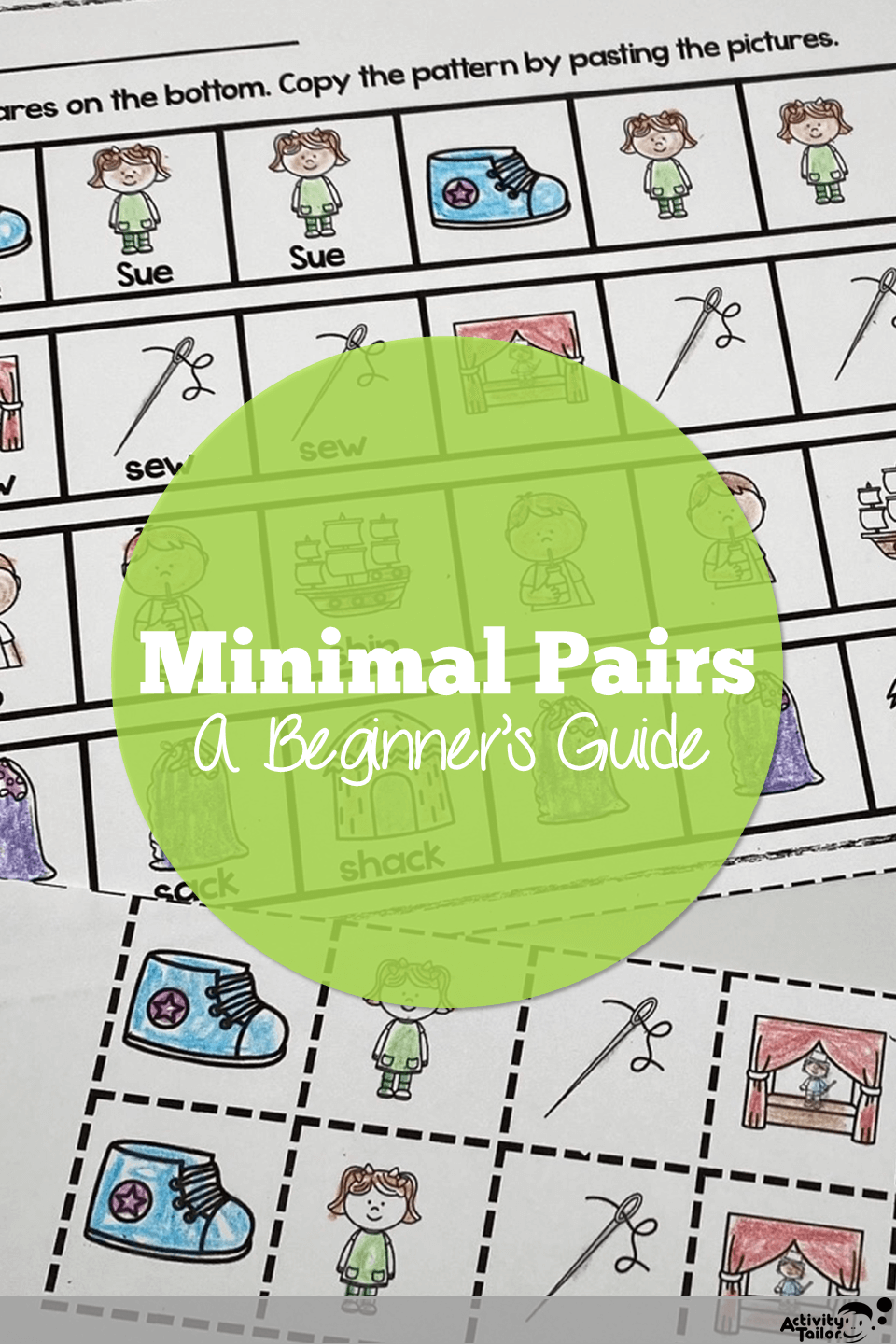
An Overview of the Minimal Pairs Approach for Speech Sound Intervention
The minimal pairs approach is a popular intervention for treating speech sound disorders. You might have heard your child’s SLP mention this, or maybe you are an SLP who is looking for a refresher about how to implement it with some of your students. Read on for an overview of the minimal pairs approach and learn when it’s most effective and how to implement it in therapy sessions! What is the Minimal Pairs Approach? The minimal pairs approach is one of the oldest interventions used to treat phonological disorders in speech. It’s formally referred to as “Minimal Oppositions”. This approach

SLP Expert Opinion: Milestones vs Averages and Why Developmental Milestones Have Changed
You’re frustrated. Other kids the same age as your child are talking so much more than yours is, but your pediatrician is saying there is nothing to worry about. People are saying the developmental milestones changed recently too. What does all this mean, and what should you do next? Let’s dive right in and answer these questions! The Pediatrician Says Don’t Worry There’s a lot of talk about milestones when you have little ones, but one of the most frequently asked questions I hear is “Why don’t the milestones SLPs talk about match what my child’s pediatrician says?” This is