
5 BEST Tips to Make the Most of Your Summer Off as an SLP
Hooray, it’s almost summer! You’re a hard-working SLP, and you’ve given your all for the past 9+ months of this school year. It’s easy to want to leave it all behind you and run towards summer break, but following these 5 tips will ensure you actually make the most of your summer off as an SLP. You owe it to yourself! Finish well Get ahead Reflect Disconnect Have fun! Make the Most of Your Summer Finish Well Actually finish the year! Finish filing. Throw away those papers you aren’t sure what to do with that you’ve looked at all year

Understanding Pop-Out Words in Speech and What They Mean for My Child
Is there anything more frustrating than hearing a word a couple of times from your child and then IT DISAPPEARS?! Where did it go?! These words are referred to as “pop-out words”. They are a very normal occurrence for little ones whether they’re on track with their speech and language development or a bit behind. Let’s talk more about understanding these pop-out words in speech and what they really mean for your child. More about Pop-Out Words The phrase “pop-out words”, coined by Pam Marshalla, refers to when a child says a word clearly on occasion but doesn’t say the

Does Your Child Repeat Everything? They Might be a Gestalt Language Learner!
Does your child repeat words and phrases? Maybe common things you say or lines from their favorite song or show? Do the words or phrases sometimes feel out of place? Even though they repeat, does it feel like your child doesn’t repeat when you ask them to? Your child might be a gestalt language learner! What is Gestalt Language Learning? Gestalt language learning is a style of language learning that starts with repeating phrases and ends with making new, spontaneous speech. Unlike most children who learn to communicate starting with single words, gestalt language learners acquire language through chunks called
How to Help Your Child Learn to Share and Why They Aren’t Already
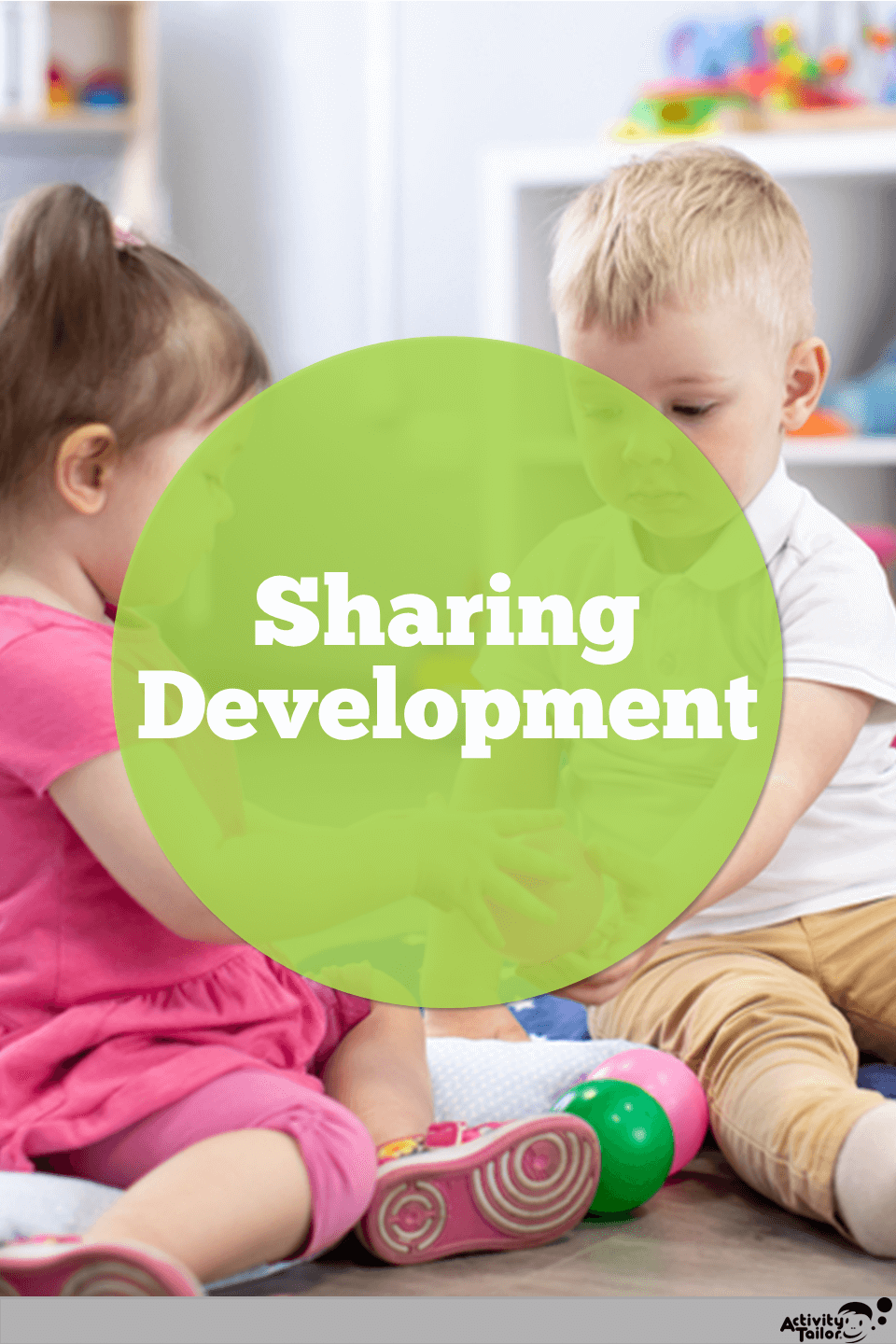
Share, please share, share. You likely say this often to your little one. But why? And why don’t they understand? Teaching little ones how to share can feel like such a challenge. Let’s chat about why this is often the case and how you can help teach sharing to your toddler or preschooler. Why is Sharing Important? Sharing promotes compromise and fairness. It is vital for developing lasting friendships, cooperating with others, learning how to wait, negotiating skills, and managing feelings of disappointment. Sharing back and forth in play also sets the stage for the back and forth style of

Seeing Speech Students Over the Summer
Can you take a few private clients this summer? If you’re interested in seeing students over the summer, now’s the time to start making plans! If you’re like many speech-language pathologists, you work in the public schools during the school year which gives you the opportunity to either take the summer off or to take on summer speech students. When I sent my weekly newsletter and asked if anyone was interested in hearing my experience with working over the summer months, I was inundated with requests for more information. Here it is! Please keep in mind, requirements may vary depending
Embracing Neurodiversity in Speech Therapy and Beyond
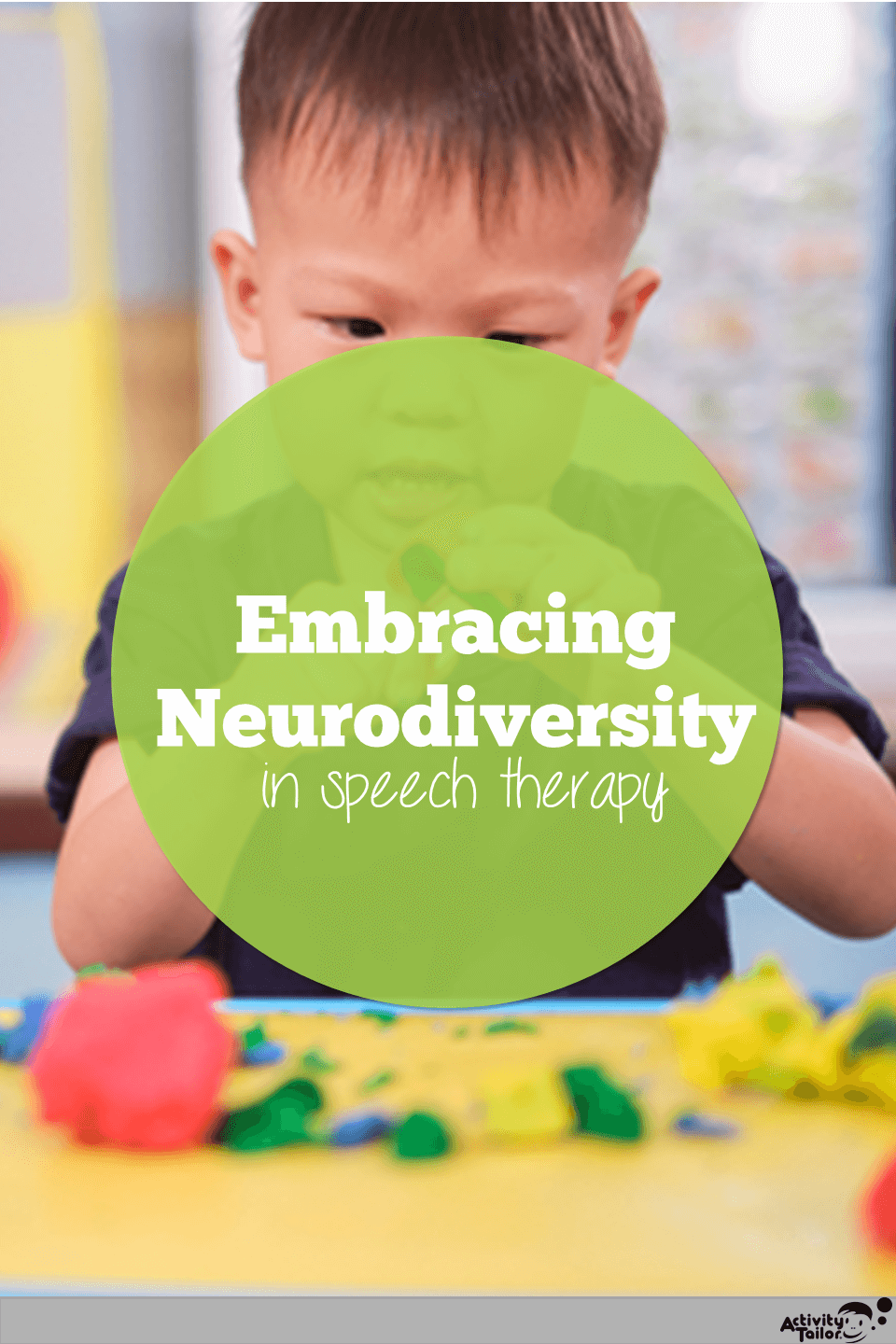
Embracing neurodiversity in speech therapy and life choices is vital for providing the best support possible for neurodivergent children. The term “neurodivergent” is an umbrella term that encompasses Autism, ADHD, dyslexia, and other diagnoses. Neurodiversity essentially is the concept that some individuals’ developmental pathways develop differently than the majority of the population (referred to as neurotypical persons). This term acknowledges the diversity of the human race and each individual person. With neurodivergence in mind, one should consider neurodiversity-affirming language and approaches to selecting therapy and strategies in therapy. First thing’s first: neurodiversity-affirming explained The main idea behind being neurodiversity-affirming is

Recognizing the Early Signs of Autism
You know your child best. You’ve watched each amazing thing he’s done and listened to all the sounds he has made (or maybe not made). You already know how special he is, but you also know in your gut that he is different. You might be seeing early signs of Autism. Recognizing the early signs of Autism are important for current and future success for your child. What is Autism? Autism Spectrum Disorder (aka Autism) is a neurodevelopmental difference. An autistic person’s brain develops differently than that of a neurotypical person. There is no single cause of Autism but instead

An SLP’s Response to Parent Concerns about Bilingualism and Speech Development
Many parents are concerned about the impact of bilingualism and speech development for their child. What is bilingualism? A person is bilingual when they speak two languages. Speaking two languages is even possible for young children! A child may be bilingual by learning two languages at once or by learning a second language after they have begun learning their first. Developmental Information for Bilingual Children First Words Just like monolingual children, most bilingual children speak their first words by the time they are 1 year old and use two-word phrases by the age of 2. Mixing Languages Children may mix
The Basics of AAC in Speech Therapy
Let’s chat about the basics of AAC in speech therapy! What is AAC? AAC stands for “alternative or augmentative forms of communication”. According to the American Speech-Language-Hearing Association, AAC is all the ways a person communicates besides speaking verbally. AAC encourages greater independence, increased communication, and more social interactions for many individuals. When a little one isn’t talking, it’s not uncommon for a therapist to suggest a form of communication other than talking. This doesn’t mean they’ve given up! Or that talking is no longer a priority! The most important goal is to give our children LANGUAGE. Once they understand
Phonemic Awareness: part 2 / Typical Development of Phonemic Awareness Skills + How to Target Them
Understanding the typical development of phonemic awareness skills and how to target them will set students with speech sound disorders up for greater, more lasting success! Children who can’t identify and manipulate the sounds of spoken words are likely to have a challenging time learning how to make correct speech productions and generalize these skills adequately– AKA our articulation and phonology students! When SLPs understand phonemic skills, we can develop appropriate expectations and provide better differentiation for our students in therapy. Refer back to PART 1 of this series to learn WHY & HOW to assess phonemic awareness skills in

Encouragement for SLPs: Changing the World Through Caregiver Education
In the hustle and bustle of your daily life as a pediatric SLP, it’s easy to lose sight of the incredible impact you are making in the world. The stresses and challenges of being an SLP can sometimes cloud your vision, but it’s important to take time to remind yourself that you ARE changing the world! At the pediatric level, much of this change comes from the work you do with your clients’ caregivers. Caregiver education has transformative power! Don’t Lose Hope The demands of being an SLP can feel overwhelming at times. It feels like the documentation is endless,

3 IMPORTANT Considerations for SLPs: Choosing Continuing Education Courses Wisely
As a pediatric SLP, your dedication to ongoing learning is vital for providing the best care for your clients and their families. Continuing education (CE) not only enriches your practice but also ensures you stay up-to-date with the latest research and techniques in the field of speech-language pathology. With the vast options available, choosing continuing education courses wisely is important to best serve both yourself and your clients. 1. Understand What is Required of You Before diving headfirst into the depths of available CE courses, be sure you understand the specific requirements set by both your state and the American
Navigating the Current ASHA Fee Increase: Insights for Pediatric SLPs
Early in 2024, the American Speech-Language-Hearing Association (ASHA) announced an impending increase in dues of $25 for certified members. The response has been nothing short of intense! The emotions of many SLPs have ranged from frustration to great disappointment to anger and more. As SLPs who care deeply about our profession, it’s important to consider the depth of this ASHA fee increase and how it impacts us all individually and collectively. ASHA’s Significance on the SLP Profession For many of us SLPs, our relationship with ASHA is a huge part of our career. It has been a: ASHA set many
How To Embrace & Nurture Your Identity as an SLP
You spend so much of your time investing in others– your clients, their families, your colleagues, your family… But are you investing in yourself? Let’s take a look at the depth of your identity as an SLP. Consider who you are beyond your professional title, and how to fully nurture yourself in the process! Your Professional Identity Let’s face it– it’s not uncommon for us as SLPs to closely identify with our job title. This deep connection often stems from the demanding journey of undergraduate and graduate education plus all that’s involved with licensure and certification. All of these coupled

4 PRACTICAL Tips to Share with Caregivers for Summer Speech Success
As you approach the summer months, it’s crucial to equip families with the tools they need to support their child’s speech and language development during this break. Here are 4 easy and practical tips to share with caregivers for summer speech success! 4 PRACTICAL Tips for Summer Speech Success Clarify Goals and Strategies First of all, it is important to make sure caregivers clearly understand their child’s specific diagnosis and goals. They also need to be fully aware of what types of prompts their child responds best to. This bundle set of Parent Education Handouts is a great resource to
4 Simple Ways to Celebrate National Speech-Language-Hearing Month
As May approaches, it’s time to consider ways to celebrate National Speech-Language-Hearing Month with your fellow SLPs, parents, and colleagues. Embracing Change National Speech-Language-Hearing Month was formally called Better Hearing and Speech Month. The shift to this new name is important for inclusivity and references the multifaceted roles you fulfill as an SLP. This change also recognizes the ever-changing landscape of the world of speech-language pathology. Embrace the change as an opportunity to amplify your voice for better advocacy and bring much-needed awareness to our fantastic profession! 4 Simple Ways to Celebrate National Speech-Language-Hearing Month 1. Promote the Field Take
3 Ways to Build Trust and Respect with Caregivers: A Guide for Pediatric SLPs
As a pediatric SLP, you understand the importance of gaining the trust and respect of your clients’ caregivers. Developing a strong rapport with parents is crucial for successful collaboration and implementation of treatment plans. While your (fabulous!) credentials may highlight your expertise, it’s your interpersonal skills and approach that will truly solidify your role as a trusted partner in a child’s communication journey. Read these 3 strategies you can begin to easily incorporate to build trust and respect with caregivers that lasts! 3 Ways to Build Trust and Respect with Caregivers 1. Active Listening One of the first steps in
3 Ways to Empower Caregivers in Speech Therapy
The journey of speech-language therapy can be overwhelming for families. As an SLP, it’s crucial to recognize the emotional challenges caregivers often face when their child is diagnosed with a communication delay or receives an unexpected medical diagnosis. Rather than assuming disinterest, it’s important to acknowledge their vulnerability and seek to empower them as integral members of the therapy process. Let’s go over 3 easy ways to empower caregivers in speech therapy– because they really do want to help! 3 Easy Ways to Empower Caregivers in Speech Therapy 1. Speak Simply Communicate simply with families by using easy-to-understand terms and
5 INGENIOUS Strategies to Empower Students in Speech Therapy
As you know, even the most intricately planned speech sessions and thought-out goals cannot overcome a student who is unmotivated in speech sessions. Figuring out how to empower students in speech therapy is a delicate balance of providing support while also promoting independence. As you address passivity, avoid being the sole motivator for success, reduce caregiver stress, establish quality home programs, and implement speech stations, you will set your speech students up for life-long success as they take control of their goals and learn to communicate effectively. Address Passivity to Empower Students in Speech Therapy Passive learners often struggle to

EASY Steps to Ensure Caregivers Feel Like an Integral Part of the IEP Process
Navigating the world of Individualized Education Programs (IEPs) can feel overwhelming for caregivers, but the process can be more manageable with your help as an SLP! Let’s delve into how and why you should ensure caregivers feel like integral parts of the IEP process. I promise– everyone will be better for it! How & Why to Ensure Caregivers Feel Like an Integral Part of the IEP Process IEP Reminders Maybe you’re new to the school setting or are working with a different age than you previously have. Either way, it’s always good to review the basics before you begin to